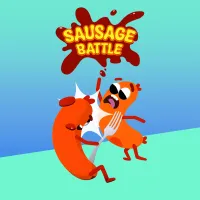
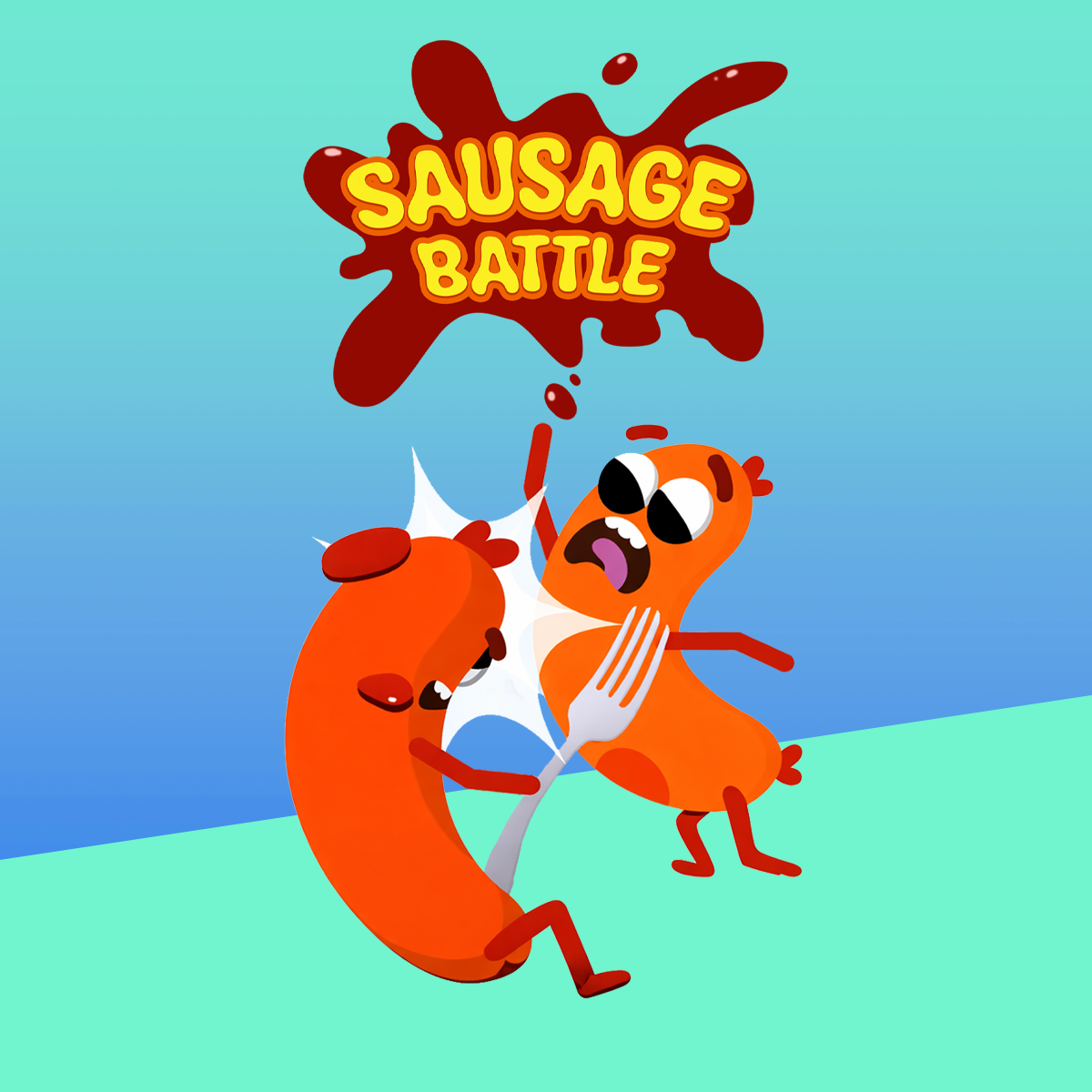
Sausage Battle explodes between fiery cauldrons and spinning blades like a bizarre free-for-all. Sausages are tossed about by insane thrusts from the edge of survival.
The Most Addictive Battle
Sausage Battle enters the gaming world as a hilarious chaos blended with comical physics. Survival tactics and collisions keep players on edge while laughing. The game chooses to make the swaying body its sole weapon in a surprising knockout battle. Competitors rush, trip, and slice each other to ribbons in any given bout. What initially appears to be a lighthearted game swiftly evolves into a genuine test of strategy. Players realize victory lies not in brute strength but in angle, momentum, and reading movement. The unique combination of cartoonish humor and survival pressure creates a distinct identity. Playing here requires patience and strategic thinking; impetuous players will not be accepted.
Precise, Inertial Strikes
The combat mechanism relies entirely on propulsion and positioning, turning every movement into a crucial tactical decision. Players control the sausage to gain momentum, aim, and unleash a well-timed thrust to push opponents into danger. A misjudged charge not only fails but also makes you a target. Controlling small movements, stopping at the right moment, or changing direction abruptly is often more effective than charging recklessly. Amidst a tumultuous crowd, where the winner often capitalizes on others' mistakes, it's important to stay vigilant. This mechanism creates a feeling that each match is different because no one moves exactly the same way. You're not just attacking; you're manipulating the surrounding space with inertia.
New Strategy Is Key
At first look, Sausage Battle seems to be a completely random game. However, players who master the controls and understand the game well will really reap the benefits. New players often make the mistake of constantly attacking, easily putting themselves in danger. Meanwhile, experienced players tend to remain focused, observe the surrounding conflict, and only act when a clear opportunity presents itself. Targeting smaller, unbalanced opponents or those standing near traps is often more effective than a confrontation. Taking a step back is sometimes worth more than ten futile lunges. As the number of opponents decreases, the pressure increases, and the ability to remain calm becomes crucial. This strategic layer makes the game not just short-term fun but capable of long-term engagement.
Battles That Cannot Be Taken Lightly